Column · @mycreditreportbalanceerrordesk
How to Fix a Credit Report Balance Error and Protect Your Credit Score
When you check your credit report and see a balance that does not match what you actually owe, the first reaction is often frustration mixed with worry. A credit report balance error can throw off your credit utilization ratio, lower your FICO score or VantageScore, and complicate a loan application or mortgage pre-approval. I have seen these mistakes derail otherwise solid financial plans, and I have also seen how a methodical approach can fix them quickly.
Credit reporting is a system built on data feeds from lenders, collection agencies, and court records. Errors slip in because of typos, outdated system updates, or simple miscommunication between a creditor and the bureau. The Fair Credit Reporting Act gives you the right to dispute inaccuracies, and the Consumer Financial Protection Bureau provides a pathway if the bureaus do not correct them. But the real skill is knowing how to spot the problem, gather the right evidence, and push for a fix without wasting weeks.
What Does a Credit Report Balance Error Look Like?
A balance error can take several forms. You might see a credit card account listed with a balance that is higher than your latest statement. Or a loan that you paid off still shows a remaining balance. Sometimes a collection agency reports a debt for the wrong amount, or an account you never opened appears with a balance. Each of these is a credit report balance error, and each can affect your credit scores differently.
Credit utilization, which is the ratio of your balances to your credit limits, accounts for a large chunk of your FICO score and VantageScore. An inflated balance makes you look riskier to lenders. If the error is on a revolving account like a credit card, your utilization jumps. If it is on an installment loan, the lender might see an unpaid balance that suggests you are behind. That can stall a mortgage pre-approval or cause a lender to offer you a higher interest rate.
How to Catch These Errors Early
You cannot fix what you do not see. The best habit is to check your credit reports from all three major bureaus - Equifax, Experian, and TransUnion - at least once a year. You can do this for free at annualcreditreport.com. That site is the only source authorized by the federal government for free annual reports. I recommend staggering your requests: pull one bureau every four months. That way you have a rolling view of your credit health throughout the year.
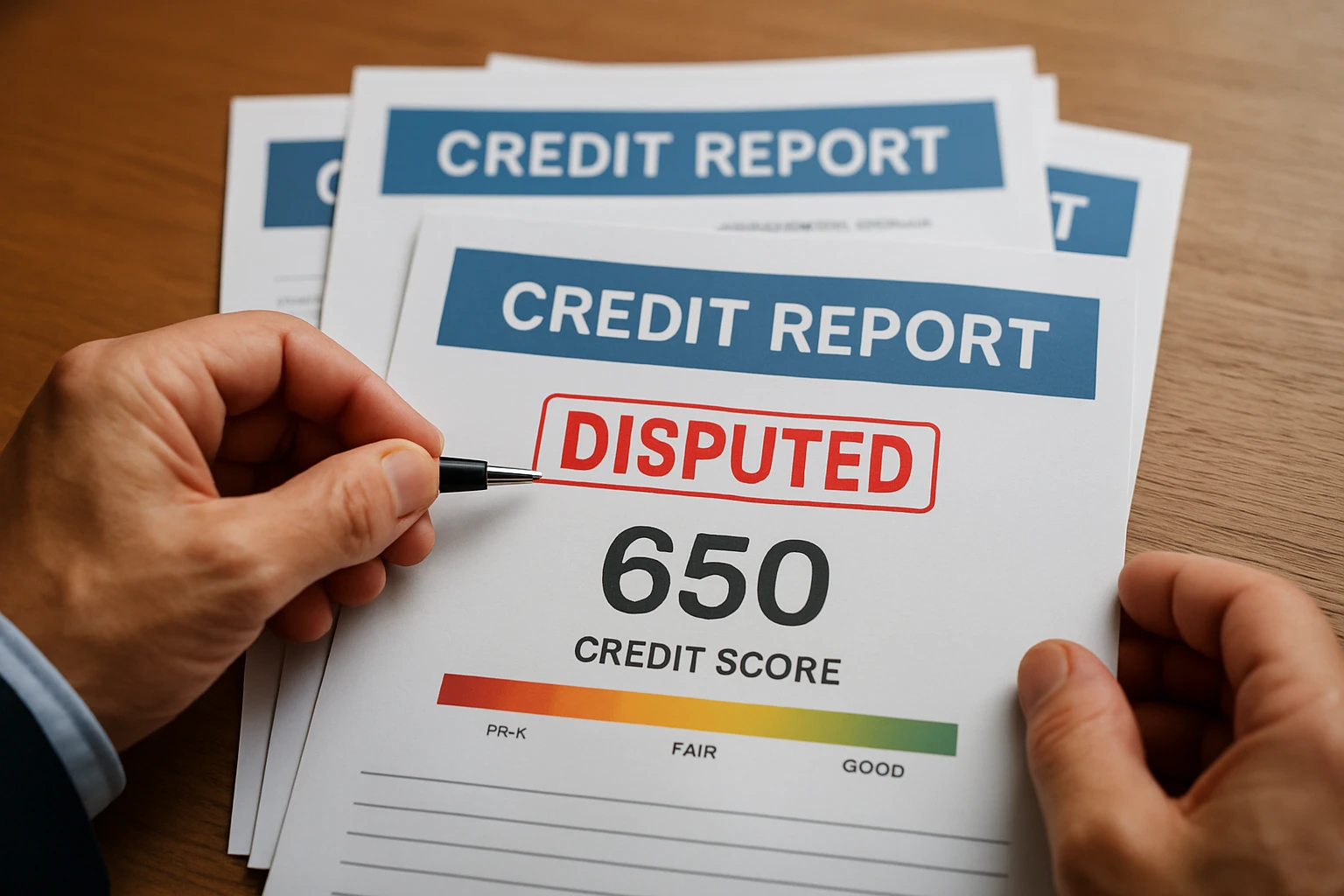
When you review each report, compare the account details against your own records. Look at the balance listed for each open account. If you have a credit card with a $2,000 limit and a statement balance of $400, but the bureau shows $1,200, that is a clear red flag. Also check the status codes. A late payment that you never made, or a collection account for a debt you do not recognize, both point to errors that need action.
Step-by-Step: Disputing a Balance Error
Once you find a credit report balance error, the next step is to dispute it with the bureau that reported it. Each bureau has its own online dispute portal, but I have found that a formal dispute letter often gets more thorough attention. You can still use the online system for speed, but keep a copy of everything you submit.
Here is a practical process that works:
- Gather your supporting documents. This includes bank statements, credit card statements, payoff letters, or any correspondence with the lender that shows the correct balance. The more concrete evidence you have, the harder it is for the bureau to dismiss your dispute.
- Write a clear dispute letter. Include your full name, address, a copy of your driver's license or other ID, and the report confirmation number if you pulled it online. State exactly which account has the error and what the correct balance should be. Attach copies of your evidence, never originals.
Send the letter by certified mail to the bureau's address for disputes. Equifax, Experian, and TransUnion each have a dedicated address for this. Keep the tracking number. The Fair Credit Reporting Act requires the bureau to investigate within 30 days, though in practice it can take a bit longer if they request more information from the creditor.
After you file the dispute, the bureau contacts the data furnisher - usually the creditor or collection agency - and asks them to verify the information. If the furnisher cannot confirm the accuracy, the bureau must correct or delete the entry. If the furnisher verifies the error as correct, the bureau will leave it in place. At that point you can escalate with a letter to the Consumer Financial Protection Bureau or consider a direct dispute with the creditor.
Direct Dispute with the Creditor or Collection Agency
Sometimes the fastest fix is to go straight to the source. If the error involves a collection agency reporting a wrong balance, call them and ask for a validation of the debt. Under the Fair Debt Collection Practices Act, you have the right to request written verification. If they cannot provide it, they must stop reporting the account. I have seen a single phone call resolve a credit report balance error that had been lingering for months, simply because the collection agency realized they had the wrong account number.
For a balance error on an account you still have open, contact the lender's customer service or billing department. Explain the discrepancy and ask them to send a corrected data feed to all three bureaus. Most major banks and credit unions have procedures for this. Follow up in writing and keep a record of who you spoke to and when.
What If the Error Is Due to Identity Theft?
If the balance error involves an account you never opened, identity theft may be the cause. That requires a different response. File a report with the Federal Trade Commission at IdentityTheft.gov and place a fraud alert on your credit files with Equifax, Experian, and TransUnion. A fraud alert makes lenders take extra steps to verify your identity before opening new accounts. You can also freeze your credit reports to block new inquiries entirely.
An identity theft situation can take longer to resolve because you need to prove you are not responsible for the debt. But the credit bureaus and the Fair Credit Reporting Act give you a path. They must block the fraudulent information once you provide the identity theft report. I have helped people navigate this, and it works, but patience is necessary.
How Errors Affect Loans and Mortgages
A balance error does not just lower your score. It can change the way a lender sees your debt-to-income ratio. For a mortgage pre-approval, the underwriter pulls your credit report and looks at your total monthly obligations. A phantom balance of a few thousand dollars on a credit card can push your debt ratio above the lender's threshold. That can mean a higher rate or a denial.
I recall a case where a client had a credit report balance error showing a $5,000 balance on an old store card that had been paid off. The mortgage lender saw that as a monthly payment obligation of roughly $150, even though the card was closed. That extra $150 pushed the debt-to-income ratio just over the limit. Once we disputed and the error was removed, the pre-approval went through at a standard rate. That one fix saved the client thousands over the life of the loan.
Credit Monitoring and Ongoing Vigilance
After you fix a credit report balance error, do not assume it stays fixed. Errors can reappear if the creditor sends another incorrect data feed or if the account gets sold to a different collection agency. Sign up for credit monitoring through a reputable service. Many offer free tiers that alert you to changes in your credit file. When you get an alert, check the details right away.
Credit repair is not a one-time event. It is a process of staying on top of your reports, catching problems early, and knowing how to use the dispute system. The Fair Credit Reporting Act gives you the tools, but you have to use them. And if you ever feel stuck, the Consumer Financial Protection Bureau accepts complaints online and can put pressure on a bureau that is dragging its feet.
One last thing: avoid the temptation to pay a company to fix these errors for you. You can do everything yourself for the cost of postage and a few hours of your time. The bureaus are required to treat your dispute the same way they treat a dispute from a third party. The only advantage a credit repair company offers is convenience, but you lose control over the process and you pay for something you can handle on your own.
If you find a credit report balance error, take a deep breath and start gathering your documents. The steps are straightforward. You pull your reports, you identify the mistake, you send a dispute with evidence, and you follow up. Each time you do it, you get a little faster and a little more confident. And your credit score will thank you.